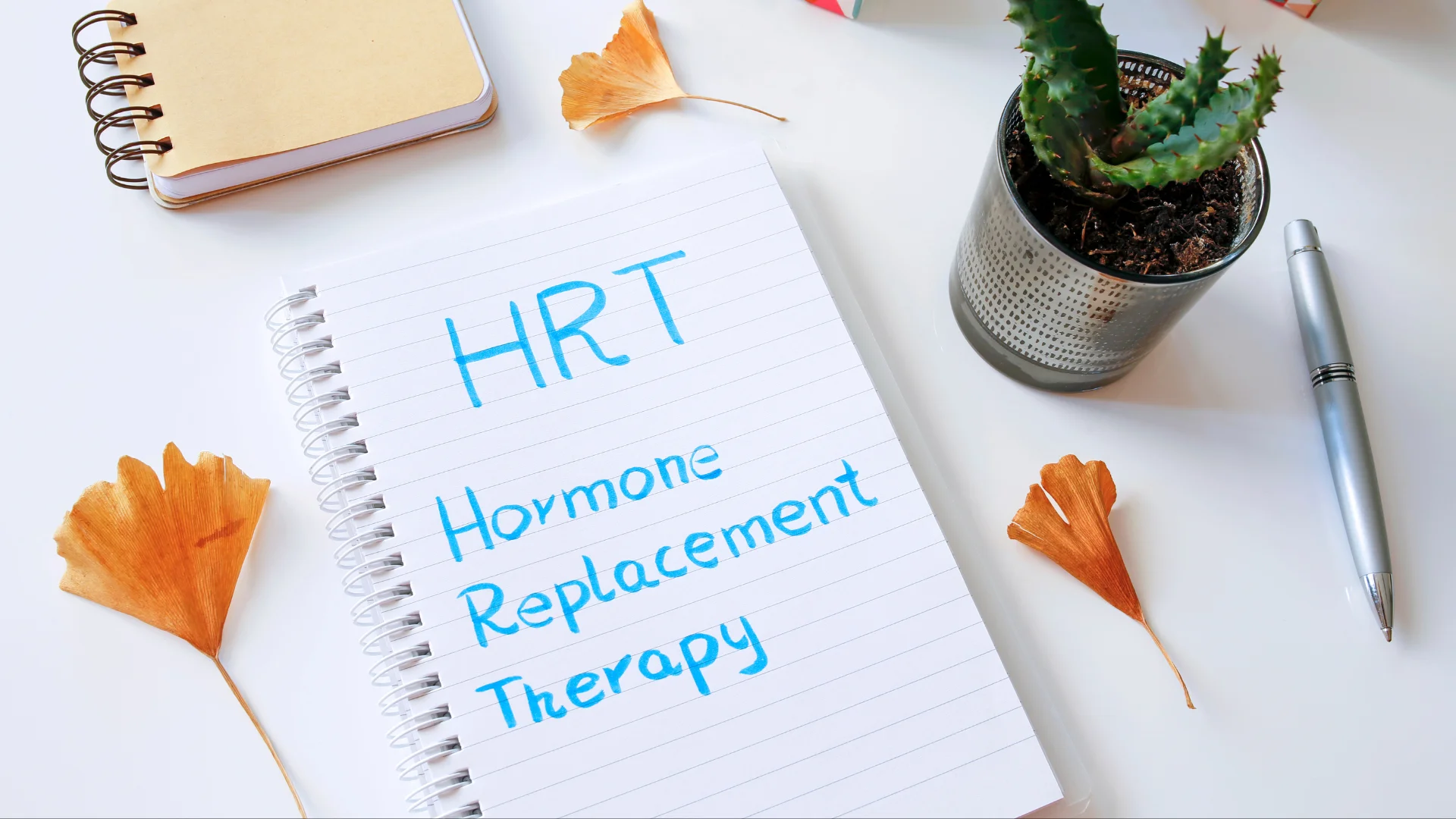
Hormone replacement therapy (HRT) has become an increasingly important topic in conversations about healthy aging. While many people are familiar with its role in managing menopausal symptoms and supporting bone health, researchers are also investigating whether hormone therapy could play a role in reducing the risk of neurodegenerative diseases such as Alzheimer’s disease and Parkinson’s disease.
The relationship between hormones and brain health is complex, and despite growing interest, many questions remain unanswered. According to Dr. Kellyann Niotis, current evidence is promising in some areas, but not yet definitive.
Can Hormone Therapy Protect the Brain?
One of the reasons hormone replacement therapy has attracted attention is the growing body of research showing that estrogen plays an important role in brain function. Estrogen helps support neuronal health, influences brain metabolism, and may affect the accumulation of proteins associated with Alzheimer’s disease.
Despite these biological connections, Dr. Niotis cautions that the science is still evolving.
“There have not been adequate studies to show us that using hormone replacement therapy is protective against Alzheimer’s disease.” As a result, researchers cannot yet conclude that hormone therapy prevents Alzheimer’s disease or other neurodegenerative conditions. Dr. Niotis explains that “we do not know fully that hormones are beneficial for women, because we don’t have the right trial designs to really say that definitively.” At the same time, there is growing evidence suggesting that some women may benefit more than others, particularly when hormone therapy is initiated during a specific window of time.
Understanding Hormone Replacement Therapy
When discussing hormone replacement therapy, the conversation typically centers around two key hormones: estradiol and progesterone. Dr. Niotis explains that “those are the two main female reproductive hormones that are often given when we think about hormone replacement therapy for women.” Estrogen can be delivered in several forms, including patches, gels, creams, and pills. Progesterone is most commonly prescribed in pill form. The specific formulation and delivery method can influence both effectiveness and safety, which is one reason individualized treatment plans are so important.
Researchers are increasingly interested in whether hormone therapy may be particularly beneficial for certain groups of women. One population receiving significant attention is women who carry the APOE4 gene, the strongest known genetic risk factor for late-onset Alzheimer’s disease. According to Dr. Niotis, hormone therapy may represent “one way to potentially mitigate the harmful effects of APOE4,” especially because women appear to be disproportionately affected by APOE4-related Alzheimer’s risk.
Timing also appears to matter. Research suggests there may be a critical period during which hormone therapy offers the greatest potential benefit. Dr. Niotis notes that “there’s an optimal window or prime window of opportunity,” which appears to occur during the perimenopausal transition and generally within seven to ten years following a woman’s final menstrual cycle. Beyond age 65, the evidence becomes much less clear. “The data is really mixed on the benefit in terms of brain benefits of using hormone replacement therapy,” she explains.
Understanding Risks and Misconceptions
Like any medical therapy, hormone replacement therapy is not appropriate for everyone. Women with certain medical histories, particularly some reproductive cancers or breast cancers, may not be good candidates. Decisions about hormone therapy should always be individualized and made in consultation with a qualified healthcare professional.
Dr. Niotis also highlights several common misconceptions surrounding hormone therapy. One area of confusion involves blood clot risk. Certain formulations of estrogen, particularly oral estrogen, have been associated with an increased risk of blood clots. However, not all forms carry the same level of risk. She explains that “the oral form of estrogen seems to be more associated with a higher risk of developing a blood clot,” while transdermal formulations such as patches generally appear to have a lower risk profile.
Another common concern involves cardiovascular disease. For years, many women were told that hormone therapy significantly increased their risk of heart attack and cardiovascular complications. According to Dr. Niotis, “that information has since been debunked with newer research.” While hormone therapy still requires careful evaluation of individual risk factors, current understanding is far more nuanced than earlier studies suggested.
Finding the Right Provider
One challenge many women encounter is finding a healthcare professional with expertise in menopause and hormone management. Dr. Niotis notes that physicians with backgrounds in internal medicine, endocrinology, and obstetrics and gynecology often provide this type of care. She also points out that many clinicians were trained during a period when hormone therapy was widely discouraged.
As she explains, “we were all trained in medical school to really never offer hormones.” Although the science has evolved considerably, clinical practice has not changed uniformly across all healthcare settings. As a result, some women may receive very different recommendations depending on the provider they consult. For that reason, Dr. Niotis encourages patients to advocate for themselves and seek additional opinions when necessary. “If you don’t feel like you’re getting an adequate assessment or getting evaluated, or you don’t feel like your questions are being answered appropriately, I say seek a second, third, fourth, or fifth opinion.”
She also notes that online platforms offering hormone therapy have become increasingly common, improving access for many women. However, she emphasizes the importance of receiving a comprehensive medical evaluation before starting treatment. “Make sure you’re getting your full assessment. Make sure that it’s safe for you to be on hormone replacement therapy.”
What About Testosterone and Men’s Brain Health?
While hormone therapy discussions often focus on women, researchers are also investigating the relationship between testosterone and cognitive health in men. Dr. Niotis notes that this remains an area where the scientific community has relatively limited data. “What we do know about testosterone, is that acutely it seems to have cognitive benefits.” Men who begin testosterone therapy may report improvements in attention, processing speed, learning, and visuospatial skills. However, whether these short-term cognitive effects translate into long-term protection against dementia remains unknown.
Researchers have observed that men with naturally higher testosterone levels tend to have lower rates of Alzheimer’s disease and dementia. As Dr. Niotis explains, “men in the highest percentiles of testosterone levels have a lower risk of Alzheimer’s disease and dementia later in life.” However, this does not necessarily mean testosterone itself is responsible. Men with higher testosterone levels may also be healthier overall, more physically active, or have fewer chronic medical conditions. For now, the evidence is insufficient to conclude that testosterone replacement therapy reduces the risk of neurodegenerative disease. As Dr. Niotis notes, “we can’t really take that as definitive evidence that testosterone replacement would benefit men in terms of lowering their risk for neurodegenerative diseases.”
Looking Ahead
Hormones clearly play an important role in brain health, but many questions remain about how best to harness that knowledge to prevent or delay neurodegenerative disease. Current evidence suggests that hormone replacement therapy may offer benefits for some women, particularly when started at the right time and in the right clinical context. However, more research is needed before experts can make definitive conclusions about its role in Alzheimer’s disease prevention.
What is becoming increasingly clear is that hormone therapy should not be viewed as a one-size-fits-all solution. Individual factors—including genetics, age, medical history, cardiovascular health, and personal goals—must all be considered when making treatment decisions. As research continues to evolve, hormone therapy remains one promising piece of a much larger brain health puzzle—one that also includes sleep, exercise, nutrition, mental health, and cardiovascular wellness.
For more guidance on HRT, watch our full conversation with Dr. Niotis in the video above.
By Alicia Barber Minteer, PhD
Leave a Reply