Category: Uncategorized
-

Cognitively healthy older adults with high levels of a biomarker called p-tau217 in their blood had an estimated 38% greater chance of developing early signs of dementia over five years, a new study found. CNN
-

NBC Nightly News
-

-
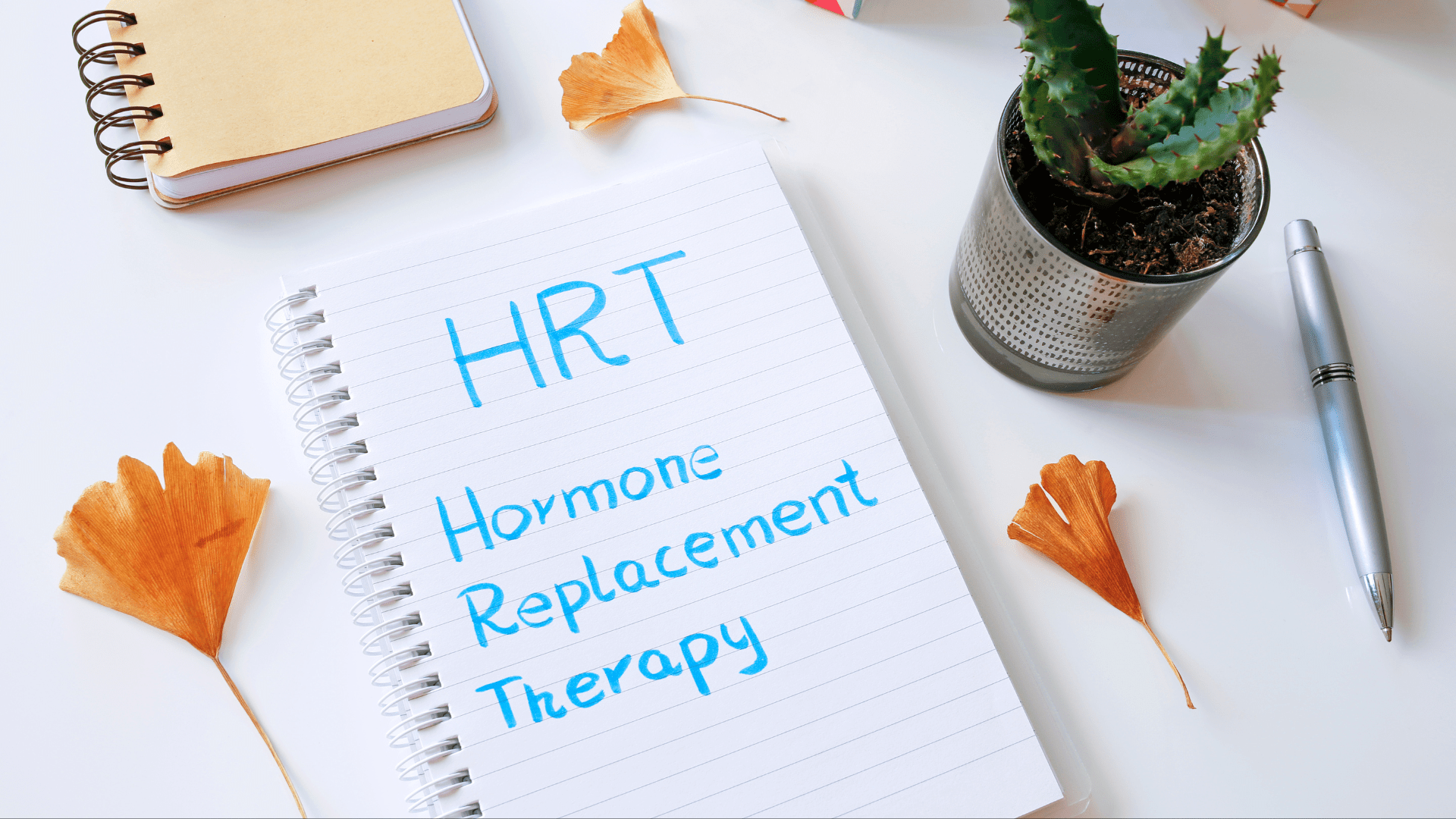
Hormone replacement therapy (HRT) has become an increasingly important topic in conversations about healthy aging. While many people are familiar with its role in managing menopausal symptoms and supporting bone health, researchers are also investigating whether hormone therapy could play a role in reducing the risk of neurodegenerative diseases such as Alzheimer’s disease and Parkinson’s…
-

Many women entering midlife notice changes in their memory, concentration, and mental clarity. Names seem harder to recall, multitasking feels more challenging, and episodes of “brain fog” become increasingly common. While these experiences can be frustrating, they are also incredibly common and they may be rooted in one of the most significant neurological transitions a…
-

Laugh Lines with Kim & Penn Holderness
-

Watch the video above for a guided demonstration of each exercise. Lower body strength plays a foundational role in how we move through daily life. From walking and climbing stairs to maintaining balance and stability, strong legs and hips support both physical function and long-term health. In this session, NASM Certified Personal Trainer and Certified…
-

Watch the video above for a guided demonstration of each exercise. Strength training is an important component of a brain-healthy lifestyle. In addition to building muscle and improving posture, resistance training supports metabolic health, circulation, and overall physical resilience, all of which play a role in long-term cognitive health. In this session, NASM Certified Personal…
-

Adults who played a specific type of cognitive speed training were found to have a dramatically lower risk of developing Alzheimer’s, new research finds. NBC
-

Divergent diagnostic criteria is raising concerns that some patients are being misdiagnosed and unnecessarily treated. WSJ