Category: In The News
-

Dr. Richard Isaacson commented on new research examining the relationship between abdominal fat and brain health, highlighting evidence that higher amounts of visceral fat—the fat surrounding internal organs—are associated with lower brain volume and structural changes linked to cognitive decline. The findings add to growing evidence that metabolic health plays an important role in maintaining…
-
Dr. Richard Isaacson joined Emma Heming Willis for an in-depth conversation about brain health, Alzheimer’s prevention, and the latest advances in dementia research. During the interview, Dr. Isaacson shared how his personal experiences and decades of research have shaped his mission to help people reduce their risk of cognitive decline through precision medicine and personalized…
-

Dr. Richard Isaacson joined CNN International following the FDA’s full approval of Leqembi, one of the first medications shown to slow the progression of early Alzheimer’s disease. During the interview, he described the approval as the beginning of a new era in Alzheimer’s treatment, emphasizing that while the therapy is not a cure, it offers…
-

Dr. Richard Isaacson was featured in a CBS Miami special examining the growing impact of Alzheimer’s disease and the latest advances in early detection, prevention, and treatment. During the program, he discussed how emerging technologies—including retinal imaging and blood biomarkers—are transforming the ability to identify Alzheimer’s-related changes before symptoms develop, creating new opportunities for personalized…
-
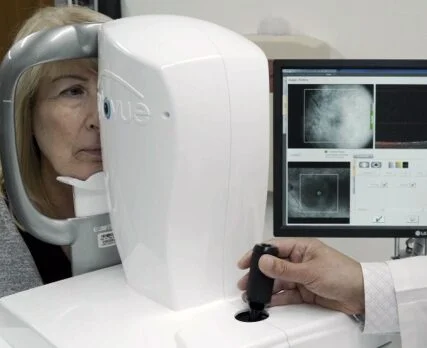
Dr. Richard Isaacson was featured by CBS News Miami discussing research suggesting that a simple retinal eye exam may one day help detect Alzheimer’s disease before memory symptoms begin. He explained that because the retina is an extension of the brain, subtle changes in retinal structure may provide an early window into the biological changes…
-

In a CNN Opinion article, Dr. Richard Isaacson and Dr. Kellyann Niotis argue that the growing focus on new Alzheimer’s drugs should not overshadow the importance of prevention. While emerging therapies offer meaningful progress for people with early Alzheimer’s disease, they emphasize that reducing dementia risk through evidence-based lifestyle and medical interventions has the potential…
-

Dr. Richard Isaacson was featured by CNN discussing new research linking untreated sleep apnea and reduced deep (slow-wave) sleep to changes in the brain associated with a higher risk of cognitive decline, stroke, and Alzheimer’s disease. The study found that people with severe sleep apnea who spent less time in restorative deep sleep had greater…
-

Dr. Richard Isaacson was featured by The Wall Street Journal discussing how access to newly approved Alzheimer’s disease treatments can vary significantly depending on where a patient lives. As disease-modifying therapies become available, he explained that timely access depends not only on FDA approval but also on the availability of specialized memory clinics, infusion centers,…
-
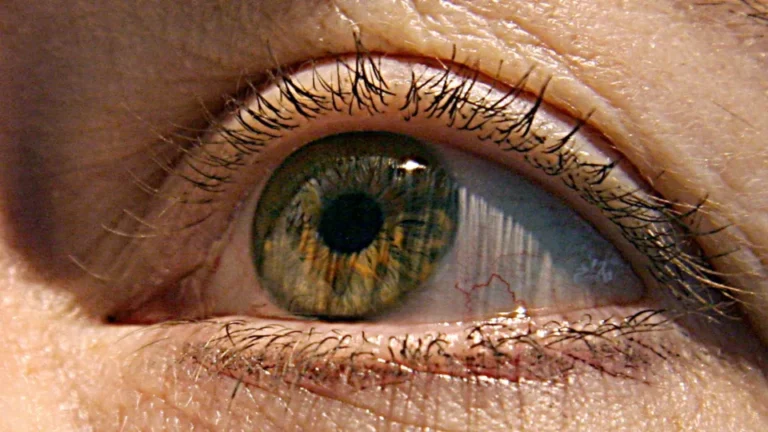
Dr. Richard Isaacson was featured by CNN discussing emerging research suggesting that changes in the retina may help detect Alzheimer’s disease years before memory symptoms appear. He explained that Alzheimer’s-related changes begin in the brain decades before cognitive decline becomes noticeable, making the search for accessible, noninvasive biomarkers an important step toward earlier diagnosis and…
-

In this interview, Dr. Kellyann Niotis explains why brain health should be a lifelong priority and why Alzheimer’s disease, Parkinson’s disease, and other neurodegenerative disorders often begin decades before symptoms appear. She discusses the growing evidence that many cases of dementia may be delayed or prevented by addressing modifiable risk factors early, empowering people to…